By Sherry Wood · Updated October 31, 2026
You want to help when someone is missing. Before you buy a radio, sign up for a survival course or fill a backpack with rescue gear, find out who organizes search and rescue where you live. The right team can tell you what it needs. A shopping list cannot.
Search and rescue teams have different missions, structures and volunteer needs. A wilderness team, water-rescue organization and administrative support group may recruit very differently. A general interest in helping is a starting point; the team determines the path to membership and authorized participation.
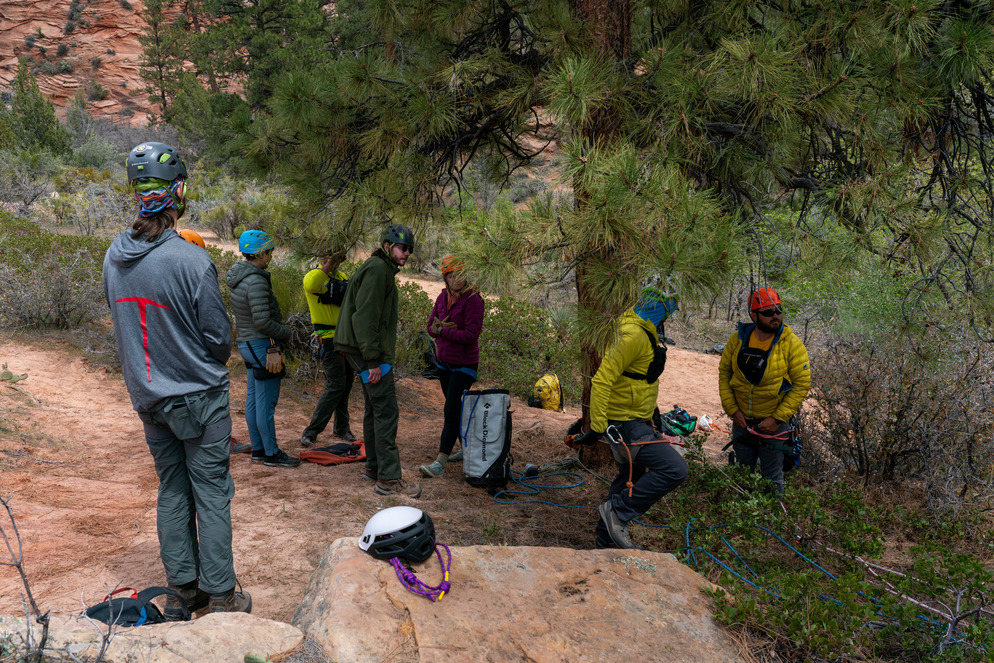
Find the responsible local organization
Begin with your county or regional government’s official public information. Ask the appropriate administrative office which recognized SAR organizations operate in the area and whether they are recruiting. Use non-emergency contacts for membership questions.
Search results and social accounts can be useful leads, but verify that a group has a current public contact and a clear relationship with the responsible authorities. Do not assume a professional-looking badge or website proves a team is authorized to respond.
Understand what the organization actually does
Ask the team to explain its mission and the roles currently available. Depending on the organization, there may be field, logistics, communications, training support or administrative work. Do not assume every team offers each option or accepts members without prior experience.
Ask who supervises volunteers, how membership decisions are made and how activation works. You need an explanation of the organization’s process, not sensitive details of an active search or restricted operational plans.
Ask these questions before applying
- Is the team accepting applicants, and when does the next intake begin?
- What eligibility, screening and training requirements apply to the role?
- What meetings, training sessions and availability commitments are expected?
- Which costs does the organization cover, and which are the volunteer’s responsibility?
- What equipment should wait until after acceptance and instruction?
- How is a new member supervised and assessed?
- What support roles are available if field work is not the right fit?
Write down the answers and ask for the current application information. Be candid about work, family and transportation commitments. A sustainable role is more useful to the team than a promise of availability you cannot keep.
Training and team membership are separate
The National Association for Search and Rescue publishes education and certification information, including a volunteer career path. Those resources can help you understand training options. They do not automatically enroll you in a local team or authorize deployment.
Ask your prospective team which current training and qualifications it recognizes for the specific role. Requirements may also come from the responsible jurisdiction or agency. Verify acceptance before paying for a course advertised as the fastest route into SAR.
Do not build a shopping list first
Equipment depends on mission, local conditions, team standards and the duties you will actually perform. Ask for the organization’s approved guidance after it has explained your role. A useful initial expense may be transportation to an information meeting rather than a specialized item you never use.
When costs are discussed, distinguish required purchases from optional upgrades. Ask about training fees, recurring costs and any loaned equipment. Do not assume a volunteer role is cost-free or that an expensive purchase improves your chance of acceptance.
Keep enthusiasm inside the team’s process
Do not self-deploy to a search or enter an incident area because you saw a request circulating online. Follow the responsible agency’s official instructions and your organization’s activation process. An invitation to attend training is different from authorization to join an operation.
Protect the privacy of missing people, families and other volunteers. Ask the organization about its media and social-posting rules. Avoid sharing operational information or photographs simply because you encountered them during an application or observation opportunity.
Make your first month about reliability
Once accepted, focus on attendance, communication and understanding expectations. Keep your approved training records organized and ask questions when a requirement is unclear. Learn where current policies are stored and who can clarify them.
If SAR membership is not available locally, ask the emergency management office about other structured volunteer opportunities. Our CERT starting guide explains another route to community preparedness. Browse Hub911’s Search & Rescue section for national resources and share a verified public team listing so others can find the right contact.
| Possible route | What to ask about | What to avoid assuming |
|---|---|---|
| Ground search | Navigation, field readiness, supervision and callout availability | A hiking background automatically qualifies you |
| Communications or logistics | Whether support members are being recruited and how they train | Every team has a separate non-field role |
| K9, water or technical rescue | Prerequisites and the team’s specialist progression | An animal, boat or expensive equipment creates a place on the team |
| Community preparedness | The local CERT program and its own responsibilities | CERT and wilderness SAR are interchangeable credentials |
What your first conversation should sound like
You do not need to introduce yourself as an expert. A plain message is enough: “I live in the area and would like to learn about volunteering. Are you accepting new members, and is there an information meeting or current application I should read?” Include an ordinary contact method. Save detailed personal records for the organization’s approved application process.
Tell the membership coordinator what you can reliably offer. Perhaps you work weekdays, have some weekend availability and can attend an evening meeting. That is a more useful starting point than promising to answer every call. Ask how much notice volunteers usually receive for scheduled training, and how the team handles members who cannot leave work for an incident.
Keep the distinction between public information and operational information clear. Asking when orientation happens is reasonable. Asking for private radio channels, details of a missing person or access to an active command post is not part of joining. The organization should explain how prospective members learn without being placed in responsibilities they have not been cleared to perform.
There is no single national joining checklist
Public agencies describe their own systems. California OES directs prospective volunteers toward local sheriff or SAR team information and describes the substantial training commitment. Its explanation of county sheriff responsibility applies to California; do not assume that exact structure governs every state.
North Carolina’s published pathway begins with local contact and orientation, followed by training, readiness and approved integration. It expressly rejects self-deployment. These examples point to the same first move: learn the system in your own jurisdiction instead of treating an online certificate as universal permission to respond.

Work out the commitment before spending money
Make a page in your notebook with four headings: time, travel, training and equipment. Under time, write the meeting and attendance expectations the team provides. Under travel, note where scheduled training happens and whether getting there is realistic. Under training, separate courses you must arrange yourself from instruction delivered by the team. Under equipment, record only the current approved list.
Put a question mark beside anything that has not been confirmed. Ask whether there are membership dues, background-screening expenses, uniform costs or required renewals, and whether loan equipment is available. These are questions, not costs every team charges. A written answer from the actual organization is more useful than someone else’s total from a different state.
Discuss the schedule at home before committing. Who handles an ordinary responsibility if training runs late? Can your vehicle get you to the meeting location? What happens if your work schedule changes? Making those arrangements is part of becoming dependable. It also gives you a way to decline a role that does not fit without feeling that you have failed to help.
Questions that come up before the first meeting
Do I need previous rescue experience?
The recruiting organization decides. Some roles accept beginners and provide a training path; others require existing qualifications. Describe your background accurately, including transferable skills, and ask which openings match it. Do not pay for a course solely because an advertisement says every SAR team requires it.
Can I start in a support role?
Ask. An organization may need help with logistics, records, communications or events, but it may also train every member for particular field responsibilities. Explain what you are interested in and let the coordinator describe genuine vacancies. Do not arrive expecting to invent a position around equipment you already own.
How long does joining take?
There is no reliable national answer. Intake dates, screening, training and assessment differ. Ask for the team’s current sequence and its next scheduled intake. A clear answer about the next step is worth more than a fast completion promise from someone who does not decide membership.
What if I see a search announcement today?
Follow the responsible agency’s public directions. Membership interest does not authorize you to enter a search area. An organized response needs to know who is present, what they are assigned to do and how they are accounted for.
For a manageable next step, find one verified local contact and ask about its next information session. You can also use the HUB911 directory to locate public resources, then confirm the details with the organization itself.
Editorial guide, not operational instruction. Official sources reviewed October 31, 2026: California OES, North Carolina DPS and NASAR. Requirements vary by jurisdiction and role. NPS photographs are public-domain training images; no affiliation or endorsement is implied.