By Hub911 Editorial · Updated October 31, 2026
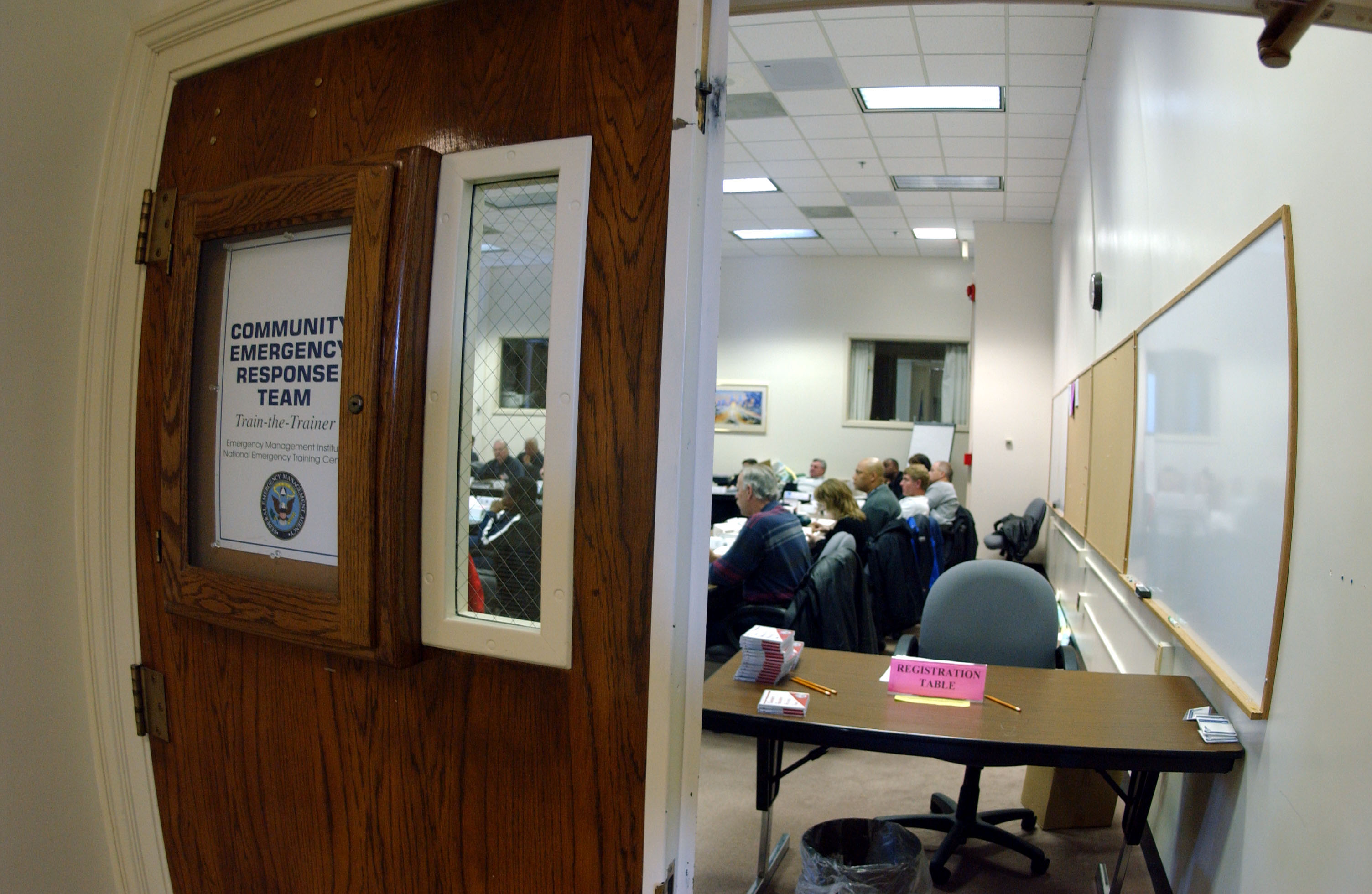
You want to be useful when your community needs help. A Community Emergency Response Team, or CERT, can give that interest a place to go. The first step is finding the local people who run it, not ordering a vest or collecting online certificates.
Start with your city or county emergency management office. Ask whether an active CERT program serves your area, when it next accepts participants and what happens after training. A course, team membership and permission to take part in an incident can be three different things. Understanding that early saves confusion later.

Find a program that is active now
Search your local government’s official website for emergency management, preparedness, volunteers or CERT. Look for a named office and a current public contact. A class announcement from several years ago can tell you who once organized training; it cannot confirm that enrollment is open today.
If no course appears, make one focused inquiry. Your jurisdiction might train with a neighboring community, offer a class only when enough people register, or have other preparedness opportunities. The Maryland emergency management department, for example, directs residents to local offices and suggests asking about neighboring programs when none is available nearby.
You can use the HUB911 Emergency Management section to look for public connections, but confirm class information with the sponsoring organization. A directory entry is a lead to follow, not a guarantee of an available place.
What does “CERT certified” actually mean?
People use that phrase loosely. Ask what a particular certificate documents: an introductory online course, completion of local Basic Training, or another requirement set by the sponsoring program. Do not assume the wording establishes professional qualifications or gives permission to join an emergency response.
FEMA’s IS-317.A introduction explains the program and volunteer roles. FEMA explicitly says that this independent-study course does not replace CERT Basic classroom training. It can help you understand the opportunity before applying; it does not make you an active local team member.
Keep the name of each completed course and its date in a private folder. When a coordinator asks about your background, send the specific record requested. “I completed IS-317.A” is clearer than “I am certified,” especially when you have not yet enrolled with a local program.
Ask about the whole commitment
Get the complete calendar before agreeing to a class. Include evening sessions, practical exercises and any weekend dates. Ask how absences are handled and whether a missed session can be made up. A convenient start date does not help if the final exercise clashes with work.
As a state example, New Jersey describes roughly 20 hours of training, commonly divided into shorter modules. That is useful context, not a promise about your local schedule. Let the coordinator explain the actual course and any follow-up commitment.
Talk about transportation, accessibility and the activities you are comfortable doing. Ask what accommodations or alternative roles the specific program offers. You do not need to describe personal medical information in a public comment or an initial message to a general inbox.
| Ask about | Get a concrete answer |
|---|---|
| Enrollment | Who may apply, the next intake and the current application route. |
| Attendance | Every class and exercise date, plus the policy for missed sessions. |
| Costs | Course fees, supplies, required equipment and what the sponsor provides. |
| Membership | Whether joining the team requires steps beyond completing the course. |
| Ongoing participation | Meetings, exercises, refresher training and realistic availability. |
| Activation | Who contacts members, how assignments are confirmed and where to report. |
A first message you can adapt
You do not need an impressive introduction. State where you live or work, that you are interested in local CERT participation and which information you need. Keep it short enough for someone to answer between other duties.
Hello, I live in the area and would like to learn about your CERT program. Are you accepting new participants? Could you send the next training schedule, eligibility requirements and information about joining the team after the course? Thank you.
Add a question about accessibility or availability when it affects whether you can attend. Wait for the approved application process before sending identification documents or other sensitive records. If the office refers you elsewhere, save that contact and the date so you are not starting again next week.


Choose a role you can keep doing
Think about the time you can offer over the next six months. A dependable few hours may suit you better than promising to be available for everything. Be straightforward about shift work, caregiving, transport and the occasions when you cannot respond.
Ask which tasks the program actually needs. Your experience with organizing information, helping at events, communicating clearly or maintaining records may be useful when the sponsor has an approved role for it. Do not assume every program has the same positions or can accept every volunteer.
If your main interest is a specialized field assignment, compare that path with our guide to joining a search and rescue team. Ask each organization about its own training. One introductory course should not be treated as a substitute for another team’s requirements.
Let the program set the equipment list
Wait for current instructions before buying specialized gear. Ask what is supplied, what you must bring and whether borrowed items are available. A list posted by another county may reflect different activities, climate or funding. The local coordinator can tell you what belongs in your first class.
Use the same restraint with optional courses. Ask which training is required now and which can wait. It is easy to spend a weekend completing modules that do not meet the next requirement. A short plan agreed with the coordinator is more useful than an unrelated stack of completion certificates.
Know how a legitimate assignment reaches you
Before joining an availability list, ask who sends official notices and how you acknowledge them. Save the coordinator’s contact information. If an unfamiliar social account asks volunteers to report to an incident, verify the request through the program rather than treating a shared post as an assignment.
Do not self-deploy. Follow the sponsoring organization’s procedures and stay within your training and assigned role. A course certificate, membership card or vest does not turn an incident scene into a place you may enter on your own. Ask questions in training so those limits are clear before an urgent situation arises.
If the next class is months away
Ask whether there is an interest list and how the next intake will be announced. Note when the office suggests checking back. That gives you a practical follow-up date instead of leaving a browser tab open and hoping you will remember the program later.
You can also ask about public preparedness events or other volunteer organizations the office recommends. Accept the answer if a program has no suitable opening right now. Turning up at a drill without an invitation does not solve the waiting-list problem, and contacting several staff members with the same request can make a small office’s work harder.
Use the waiting time to sort out your own arrangements. Who needs you at home? Can you leave work during the hours you are offering? How would you get to a scheduled activity? Write down the limits you already know. You are deciding what you can responsibly promise, not trying to prove that volunteering comes before every other obligation.
When a place becomes available, review the schedule again. Your circumstances may have changed since the first inquiry. Giving an honest answer then is better for you and for the person arranging instructors, supplies and places in the class.
Make the first month useful
By the end of your first month, aim to know your next training date, who answers questions and what happens after course completion. Keep your availability current. If the timetable is not workable, tell the coordinator instead of quietly disappearing from an attendance list.
Your next step can be small: locate the official local office and send the short inquiry above. Program coordinators can submit a public HUB911 listing with a current membership or training contact. Readers can browse more preparedness guides and interviews while waiting for a local response.
Sources reviewed October 31, 2026: FEMA IS-317.A; Maryland Department of Emergency Management; New Jersey Office of Emergency Management. This is an independent guide to finding a program, not emergency-response instruction or an enrollment service.